.png)
Inflammatory Demyelinating Polyneuropathy: Symptoms, Types, and Treatment
Inflammatory Demyelinating Polyneuropathy: Symptoms, Types, and Treatment
Inflammatory Demyelinating Polyneuropathy: Symptoms, Types, and Treatment
Tingling, numbness, and weakness in the hands and feet deserve medical assessment, particularly when symptoms are getting worse. Inflammatory demyelinating polyneuropathy is one possible cause. Early recognition and appropriate treatment can help protect movement and everyday function.
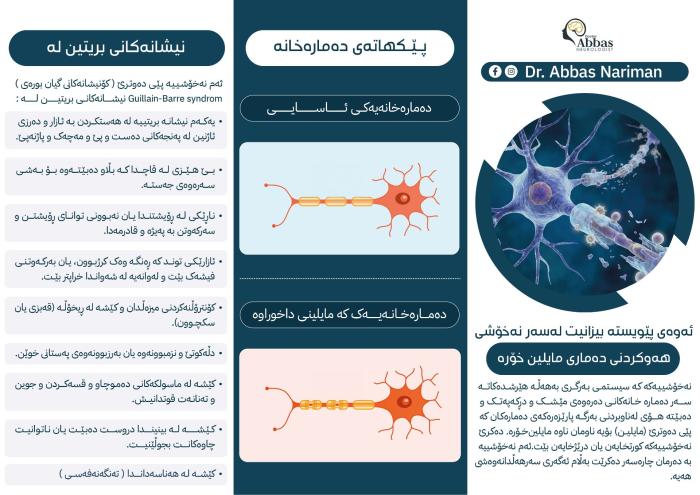
What is myelin?
Myelin is a protective covering around many nerve fibres that helps electrical signals travel efficiently. In these conditions, the immune system mistakenly attacks peripheral nerves outside the brain and spinal cord, damaging their myelin.
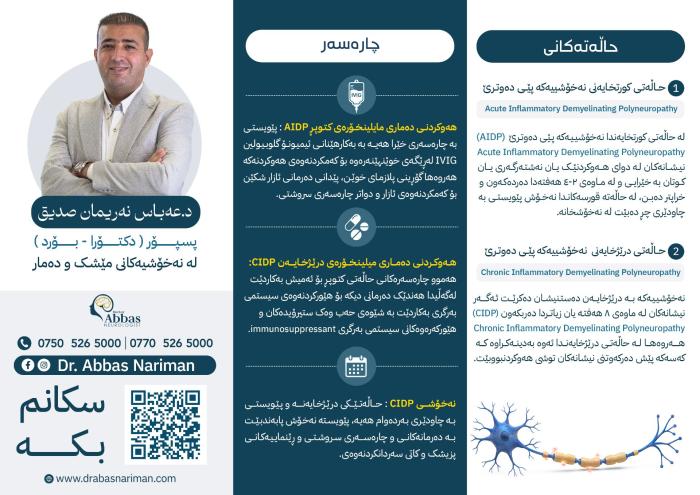
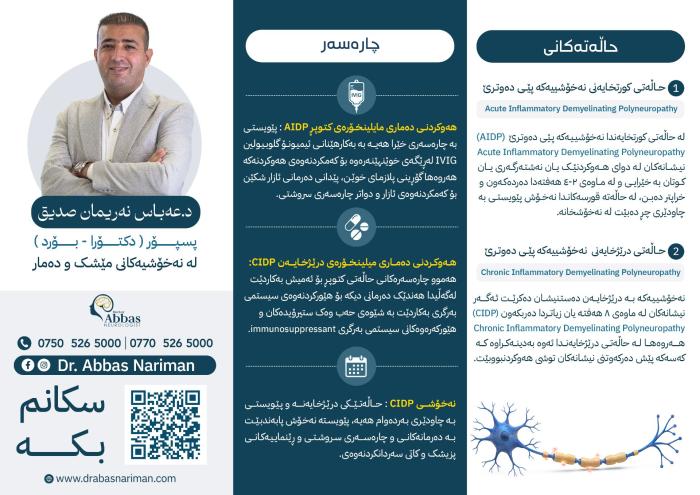
Understanding AIDP and CIDP
-
Acute inflammatory demyelinating polyneuropathy (AIDP) is a form of Guillain–Barré syndrome (GBS). Symptoms develop rapidly over days to weeks, often following an infection.
-
Chronic inflammatory demyelinating polyneuropathy (CIDP) usually progresses over more than eight weeks or follows a relapsing course. It often requires ongoing care.
These are distinct conditions, and telling them apart matters when choosing treatment.
Recognising the symptoms
Symptoms may include limb weakness, numbness, nerve pain, poor balance, and difficulty walking. Severe Guillain–Barré syndrome can also affect breathing, swallowing, heart rate, and blood pressure.
Seek emergency medical care immediately for rapidly worsening weakness or difficulty breathing or swallowing.
Treatment and recovery
AIDP may be treated with intravenous immunoglobulin (IVIG) or plasma exchange. CIDP treatment may include immunoglobulin, corticosteroids, or plasma exchange, depending on a neurologist’s assessment. Corticosteroids are not an effective treatment for AIDP or Guillain–Barré syndrome.
Physiotherapy and tailored rehabilitation can support strength and everyday activities. Recovery takes time and varies between individuals. Regular follow-up and adherence to the treatment plan are important; medicines should not be changed without medical advice.